


Stay Safe While Shoveling Snow This Winter
Winter snow can be beautiful—and a great excuse for skiing, sledding, or simply enjoying the cold, crisp air. But before the fun, there’s usually one not-so-fun job: clearing the driveway and sidewalks.
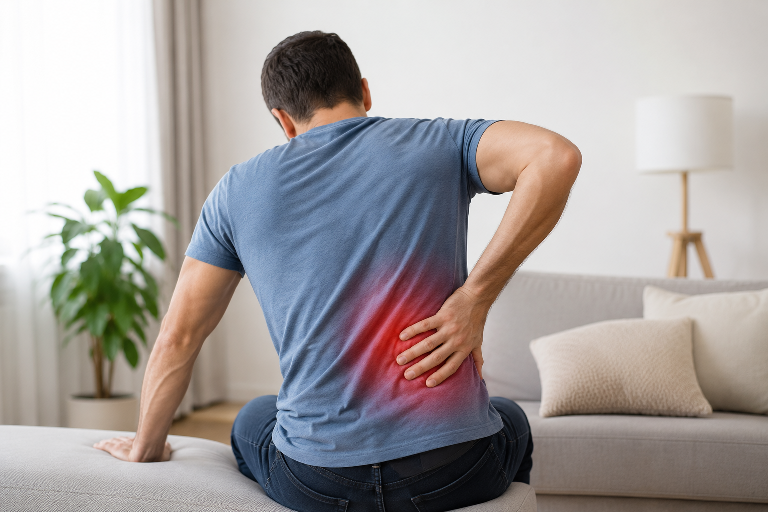
Snow shoveling might seem like a simple chore, but it’s actually a demanding workout. Done the wrong way, it can lead to back injuries, muscle strains, and even serious heart problems, especially in people with pre-existing conditions or those who are normally inactive.
With a smart plan, proper technique, and awareness of your limits, you can clear snow safely and protect your health.
Why Snow Shoveling Can Strain Your Heart
Snow shoveling is a form of vigorous exercise. You’re lifting heavy, often wet snow while your body is working against the cold. This combination can increase heart rate and blood pressure and may trigger cardiac events in people at higher risk, including:
- Older adults
- People with heart disease or other cardiovascular conditions
- People who are generally inactive or deconditioned
Heart-safety tips while shoveling:
- Take regular breaks: Stop every 10–15 minutes to rest, drink water, and catch your breath.
- Avoid heavy meals around shoveling: Don’t shovel right before or after a large meal—it can increase the workload on your heart.
- Move smaller amounts of snow: Use a smaller shovel or only partially fill it. When possible, push snow instead of lifting it.
- Watch for warning signs: Stop immediately and call emergency services if you feel chest pain, pressure, shortness of breath, dizziness, or unusual fatigue.
- Skip alcohol: Drinking before or after shoveling can mask symptoms your body is trying to warn you about.
- Talk to your doctor first: If you have a history of heart disease, other medical conditions, or you’re middle-aged or older and not very active, ask your physician whether it’s safe for you to shovel.
Treat Shoveling Like Exercise
Because shoveling uses your back, core, arms, and legs, it should be treated like a workout—not just “housework.”
Before you start:
- Warm up your muscles: Try 3–5 minutes of light marching in place, arm circles, shoulder rolls, and gentle back and leg stretches.
- Fuel wisely: A light snack with protein and complex carbs (like yogurt and fruit or peanut butter on whole-grain toast) can give you steady energy.
- Stay hydrated: You can still get dehydrated in cold weather. Sip water before, during, and after shoveling.
- Avoid shoveling after alcohol or a heavy meal: Both can make your heart and digestive system work harder and reduce your awareness of fatigue.
Choose the Right Shovel
The right equipment can dramatically reduce strain on your body.
Look for:
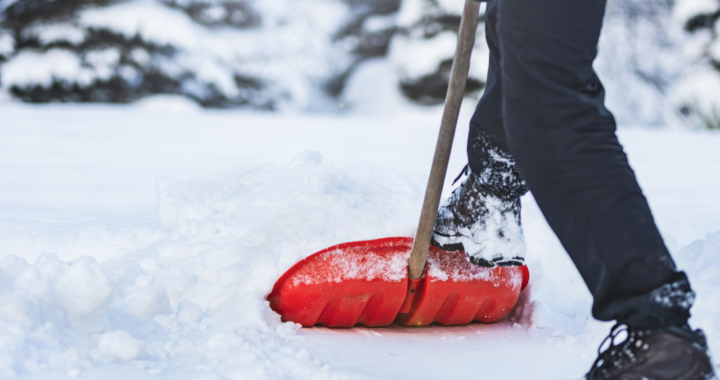
- Lightweight materials: A plastic or lightweight metal blade with a sturdy handle is easier to manage.
- Ergonomic shaft: Ideally, the handle height should reach somewhere between your elbow and chest to promote better posture.
- Curved or S-shaped handle: These designs help you keep your back straighter while lifting.
- Metal-edged blade: A metal edge can help break up compacted snow and ice so you don’t have to force the shovel.
Back-Friendly Snow Shoveling Techniques
Using proper body mechanics is key to preventing back, neck, and shoulder injuries.
- Keep your back straight: Don’t round your lower back. Instead, bend at your hips and knees.
- Use your legs, not your back: Squat down and drive through your legs to lift the snow.
- Pivot instead of twisting: Turn your entire body to throw snow—avoid twisting your spine while your feet stay planted.
- Keep the load close: Hold the shovel close to your body to reduce strain on your arms, shoulders, and back.
- Hand placement matters: Place one hand near the top of the handle and the other about a foot down the shaft for better control and leverage.
If the snow is very wet or deep, take smaller scoops, or focus on pushing the snow to the side in several passes rather than lifting heavy loads.
Timing Matters
When and how often you shovel can make a big difference.
- Avoid shoveling first thing in the morning: Your spinal discs can be more vulnerable after lying down all night. Give your body time to wake up and move gently before doing heavy work.
- Shovel in stages: During a storm, go out a few times to clear smaller amounts instead of waiting until the snow is very deep. Lighter, more frequent shoveling is easier and safer.
Recovery and Post-Shoveling Care
How you treat your body after shoveling is just as important as how you shovel.
- Cool down with light movement: Walk around the house or gently stretch your legs, back, and shoulders for a few minutes.
- Soothe sore muscles: Over-the-counter pain relievers or topical creams (if appropriate for you) can help manage soreness.
- Use heat and ice:
- Ice packs can reduce inflammation in achy areas shortly after activity.
- Later, a warm shower, heating pad, or Epsom salt bath can relax tight muscles.
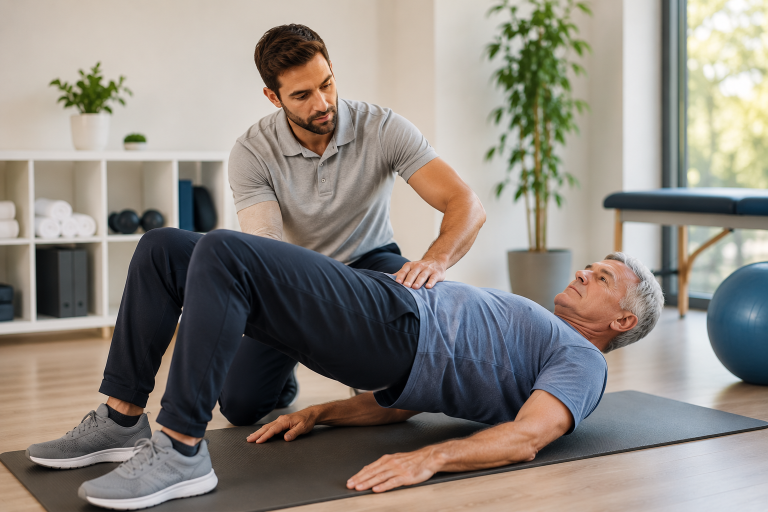
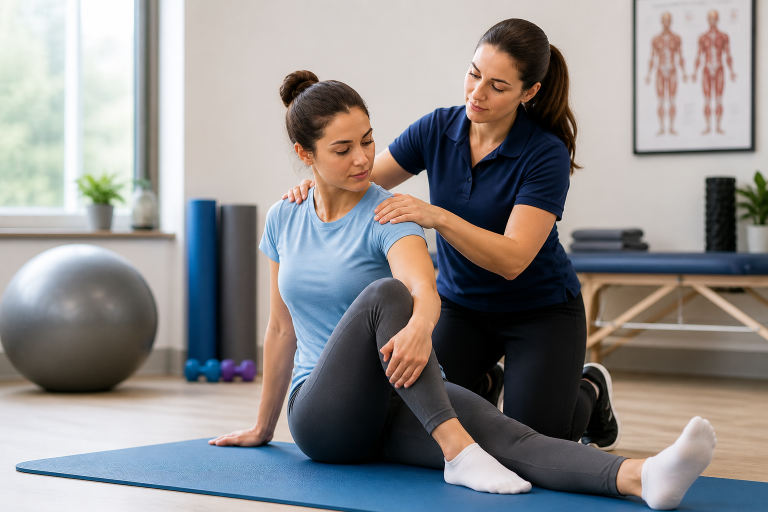
If pain is sharp, worsening, or lasts more than a few days, consider getting evaluated by a healthcare or physical therapy professional.
Know Your Limits
You should never feel obligated to tackle heavy snow alone if it’s beyond your comfort or physical ability. Consider:
- Asking a neighbor, friend, or family member for help
- Hiring a snow removal service for big storms
- Using a snow blower if you’re trained on it and can operate it safely
The goal is not to “power through” at any cost—it’s to clear snow without injuring yourself.
With smart preparation, proper technique, and pacing, snow shoveling can be a safe, effective winter workout that keeps your home accessible and your body protected.
Sources
- Vermont Department of Health – “Snow Shoveling Safety Tips” https://www.healthvermont.gov/environment/climate/snow-shoveling-safety
- Harvard Health Publishing – “Snow Shoveling: A Trigger for Heart Attacks?” https://www.health.harvard.edu/heart-health/snow-shoveling-a-trigger-for-heart-attacks
- American Heart Association – “Heart Health & Winter Weather Safety” https://www.heart.org/en/healthy-living/healthy-lifestyle/stress-management/winter-weather-and-heart-health