


Winter Safety: Prevent Falls with These Helpful Tips
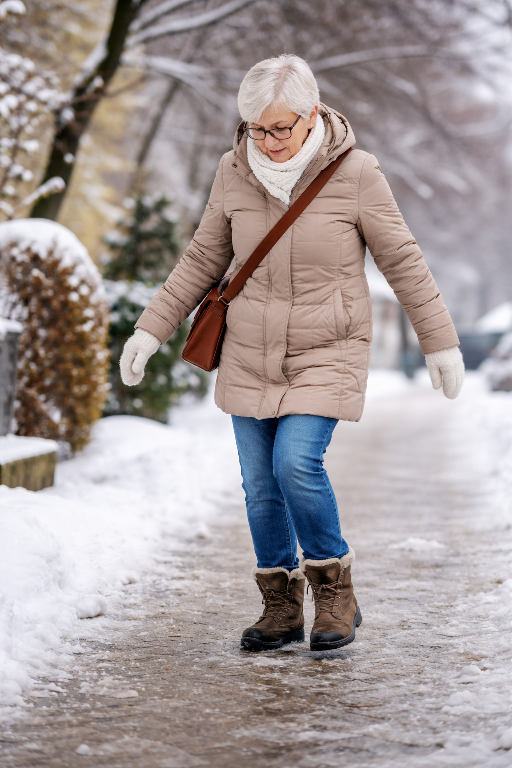
Falls are a major health concern for adults over 65—they are the leading cause of injury in this age group. Winter conditions such as snow, ice, and wet leaves can make everyday movement more dangerous, increasing the risk of slips and serious injuries.
The good news? With simple precautions, you can stay safe, confident, and independent throughout the winter months.
Top Tips for Preventing Winter Falls
1. Keep Walkways Dry and Clear
Snow, ice, and wet leaves can hide hazards beneath your feet. Keep driveways, sidewalks, and entryways free from snow and ice. Spread sand or ice melt to improve traction, and clear paths multiple times during a storm to prevent heavy accumulation.
2. Use Handrails Whenever Possible
Handrails provide extra stability on stairs, ramps, and outdoor walkways. If your home or building lacks sufficient handrails, consider installing additional ones. Take your time and hold the handrail securely when using stairs.
3. Wear Proper Footwear
Choose shoes or boots with good tread, low heels, and ankle support. Avoid footwear that is loose, worn, or slippery. For added safety, spike less ice-gripper soles can improve traction on icy surfaces.
4. Get Help With Snow Removal
Shoveling snow increases the risk of slipping and may strain the heart, especially for individuals with underlying health conditions. When possible, hire help or ask a neighbor to clear heavy snow.
5. Keep a Phone Handy
In the event of a fall or emergency, quick access to a phone is critical. Carry a mobile phone or keep one within easy reach to call for help immediately.
6. Stay Indoors During Severe Weather
When conditions are especially dangerous, it’s safest to stay indoors. Plan ahead for groceries, medications, and other essentials so you don’t need to venture out in unsafe conditions.
Year-Round Fall-Prevention Checklist
Remove Obstacles
Keep walkways clear between high-traffic areas like bedrooms and bathrooms. Remove cords, clutter, and small objects that may cause tripping. Secure rugs with non-slip backing or double-sided tape, and avoid small throw rugs.
Improve Lighting
Make sure light switches and lamps are easy to reach. Add brighter lighting in hallways, stairwells, and entryways.
Ensure Proper Footwear and Mobility Devices
Wear supportive, low-heeled, closed-back shoes with non-slip soles. If you use a cane or walker, make sure it is properly fitted by a healthcare professional.
Prepare for Emergencies
Keep phones within reach at all times. Arrange daily check-ins with family or friends. Program emergency contacts into your phone and place important numbers near your landline.
Additional Tips for Winter Safety
Balance and Strength Exercises
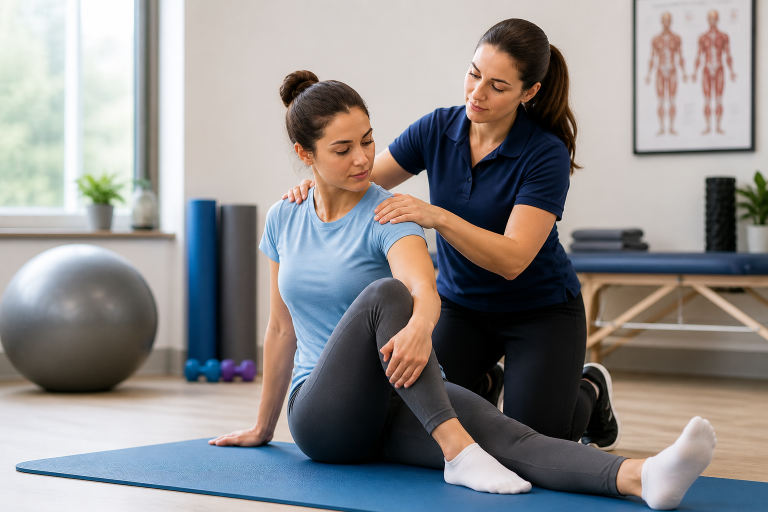
Improving strength, flexibility, and balance can significantly reduce fall risk. Activities such as yoga, tai chi, and resistance training improve coordination and stability.
Use Assistive Devices Wisely
If mobility is limited, consider walking poles or traction cleats outdoors. Indoors, grab bars, handrails, and stable chairs provide added support.
Pay Attention to Weather Forecasts
Check the weather before heading out. Allow extra time for walking on slippery surfaces and avoid rushing.
Walk Mindfully
Take shorter steps, walk slowly, and avoid carrying heavy or awkward items that could throw off your balance.
Keep Indoor Spaces Safe
Wet shoes, spills, and icy entry mats increase slip risk indoors. Wipe your feet when entering and use absorbent, non-slip mats.
Final Thoughts
Falls are not inevitable. By clearing walkways, wearing proper footwear, strengthening your body, and staying aware of hazards, you can enjoy the winter season safely.
Small adjustments to your environment and daily habits can make a big difference in preventing injuries and maintaining independence.
Remember: fall prevention is a year-round commitment, not just a winter concern.
Source:
CDC – Older Adult Falls Data & Fall Prevention