


Acupuncture and Spine Health: Understanding Its Role in Pain Relief
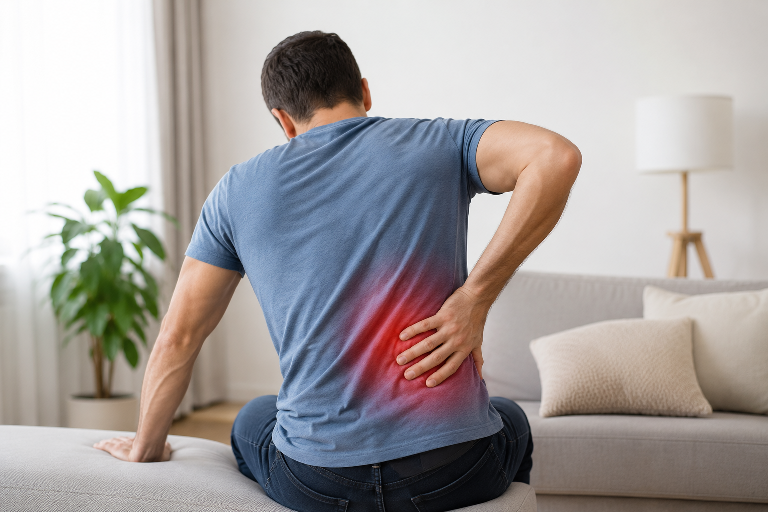
Back pain is one of the most common issues affecting people of all ages. It can limit mobility, interfere with work and daily activities, and reduce overall quality of life. While treatments like physical therapy, activity modification, and medication can help, many people also look for supportive, non-invasive options. Acupuncture has become a widely used complementary approach for managing spine-related pain and promoting overall wellness.
What Is Acupuncture?
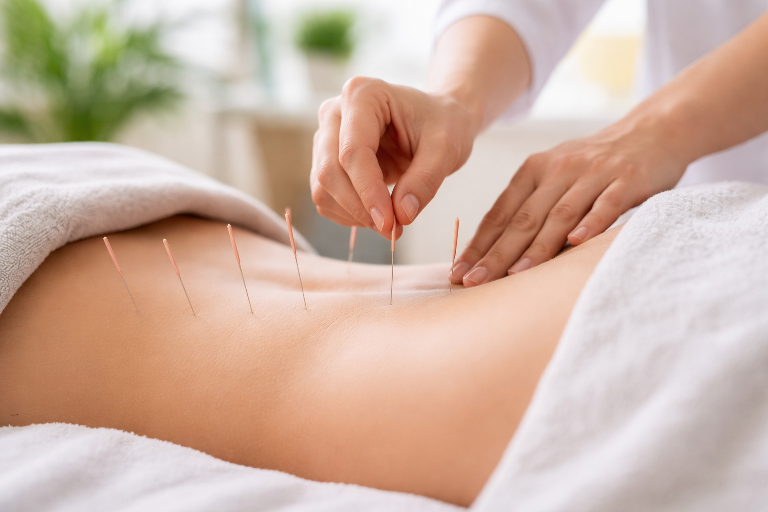
Acupuncture is a treatment that involves inserting very thin, sterile needles into specific points on the body. In Traditional Chinese Medicine , these points are located along pathways called meridians, which are believed to carry energy (often called Qi) throughout the body. When the flow of Qi is disrupted, pain or other symptoms may occur. Acupuncture aims to restore balance and support the body’s natural healing response.
From a Western medical perspective, acupuncture is thought to influence the nervous system by stimulating nerves, muscles, and connective tissue. This may increase local blood flow and encourage the release of the body’s natural pain-relieving chemicals, such as endorphins, which can help reduce discomfort and promote relaxation.
How Acupuncture May Support Spine Health
Acupuncture is commonly used for pain and tension involving the neck, mid-back, and low back. People often choose it as part of a broader plan for relief and improved movement.
1) Pain Relief
Acupuncture is frequently used for low back pain, neck pain, and sciatica-like symptoms. By targeting specific points, it may help calm irritated tissues and influence how the body processes pain signals.
2) Muscle Relaxation
Tight or overactive muscles can place added stress on the spine and surrounding joints. Acupuncture may help reduce muscle tension and spasms, which can improve comfort and make movement feel easier.
3) Improved Circulation
Better blood flow to affected areas may support tissue recovery and reduce stiffness. Acupuncture may help improve circulation around the spine and surrounding muscles—especially when paired with movement and strengthening.
4) Improved Mobility
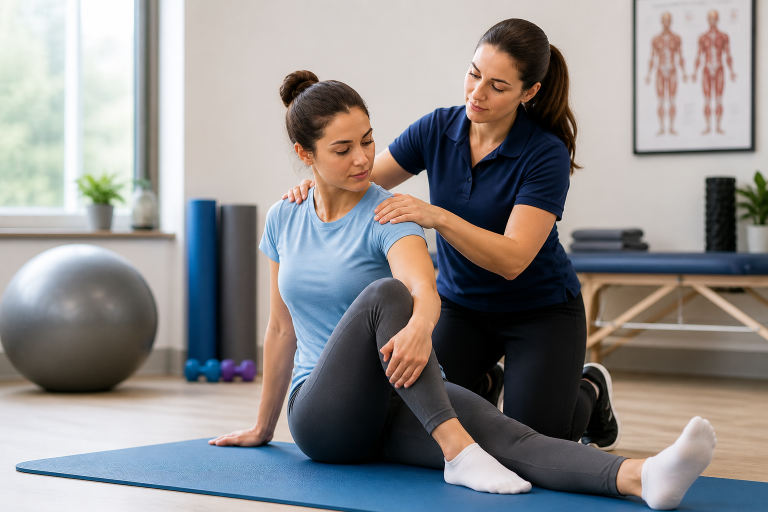
If stiffness or limited range of motion is holding you back, acupuncture may help by addressing muscular and neurological factors that contribute to restriction—often making it easier to participate in exercise, stretching, or physical therapy.
5) Stress and Nervous System Support
Stress can intensify chronic pain. Many people report feeling calmer after treatment, and relaxation can positively affect pain perception, sleep, and overall recovery.
Conditions Commonly Treated With Acupuncture
Acupuncture is often used to help manage discomfort associated with:
- Lower back pain and neck pain
- Headaches and migraines
- Osteoarthritis
- Fibromyalgia
- Tennis elbow
- Menstrual cramps
- Nausea related to medical treatments
What to Expect During an Acupuncture Session
A session typically begins with a conversation about your symptoms, health history, and lifestyle factors. Based on your goals, specific acupuncture points are selected.
Needles are inserted gently and usually remain in place for 15–30 minutes. Most people report minimal discomfort, and many feel relaxed during treatment. Depending on your condition, acupuncture may be recommended over multiple visits to build results over time.
After treatment, some people notice mild soreness or fatigue, but serious side effects are rare. Your provider may recommend drinking water and avoiding strenuous activity immediately after the session.
Safety and Considerations
When performed by a qualified practitioner using sterile, single-use needles, acupuncture is considered safe and has a low risk of side effects. If you are pregnant, have a bleeding disorder, or have implanted medical devices (such as a pacemaker), let your provider know before starting treatment.
A Balanced Approach to Spine Health
Acupuncture can be a valuable part of a broader plan for spine health—especially when combined with evidence-based care like physical therapy. For many people, the best results come from pairing pain relief with a long-term strategy that includes:
- Targeted mobility and strengthening
- Posture and movement education
- Ergonomic adjustments for work and daily life
- Stress management and sleep support
Ready to Explore Acupuncture for Back or Neck Pain?
If you’re dealing with back pain, neck tension, or sciatica-like symptoms, acupuncture may be a helpful option—especially as part of a comprehensive spine care plan. Our team can help you determine whether acupuncture, physical therapy, or a combination of both is the best fit for your goals.
Reference:
National Center for Complementary and Integrative Health (NCCIH). (n.d.). Acupuncture: Effectiveness and Safety.
National Center for Complementary and Integrative Health (NCCIH). (2020, January 21). Low-Back Pain and Complementary Health Approaches: What You Need To Know.
Qaseem, A., Wilt, T. J., McLean, R. M., & Forciea, M. A. (2017). Noninvasive Treatments for Acute, Subacute, and Chronic Low Back Pain: A Clinical Practice Guideline from the American College of Physicians. Annals of Internal Medicine.