


Ski Injury Prevention: A Physical Therapist’s Guide to Staying Safe on the Slopes
Skiing is a popular winter activity for families across New Jersey, especially for those traveling to nearby ski resorts for weekend trips. While skiing is fun and exciting, as a physical therapist in Somerset, NJ, I also see the injuries that can result when preparation and safety are overlooked.
Last weekend, while skiing with my family friends, we were sitting in the lodge cafeteria as the kids were out on the slopes. Over the course of one afternoon, we saw six to seven stretchers coming down the mountain — most carrying children.
That moment reinforced something I see regularly in the clinic: many ski injuries are preventable with the right preparation.
Can Pre-Workout Supplements Prevent Ski Injuries?
This is a common question I hear from patients.
The short answer: No pre-workout supplement can prevent ski injuries.
From a physical therapist’s perspective, injury prevention depends on movement quality, muscle readiness, and fatigue management — not stimulants. In fact, high-caffeine pre-workouts may increase injury risk by encouraging excessive speed without improving control.
The Best “Pre-Workout” for Ski Injury Prevention
1. Warm Up Before You Hit the Slopes
Cold muscles and stiff joints are more likely to get injured. A short warm-up improves joint stability and muscle reaction time.
5–8 minute ski warm-up:
- Bodyweight squats
- Lunges
- Hip circles
- Calf raises
- Light jumping or marching
This routine helps protect the knees, hips, and lower back — areas commonly injured during skiing.
2. Fuel and Hydrate Properly
As a physical therapist treating ski injuries, I often see injuries occur late in the day when fatigue sets in.
To reduce risk:
- Eat carbohydrates before skiing (fruit, oatmeal, toast)
- Snack throughout the day
- Stay hydrated, especially at higher elevations
Fatigue alters movement mechanics long before you feel tired.
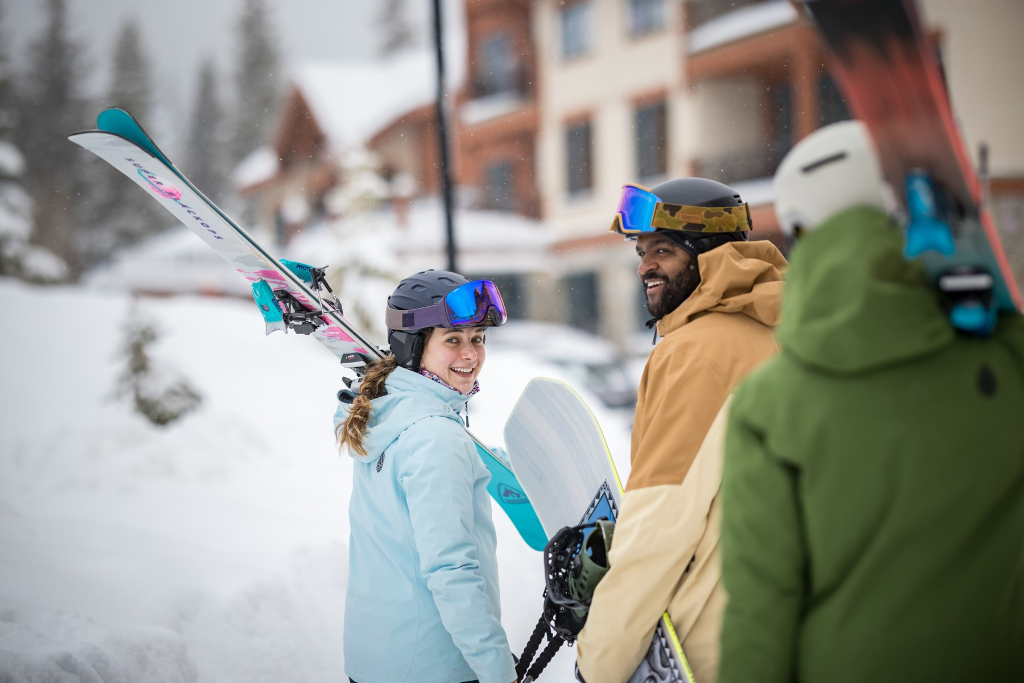
3. Helmets Are Essential for Kids and Adults
Helmets significantly reduce the risk of head and neck injuries.
While knee and shoulder injuries can often be rehabilitated with physical therapy, head injuries are far more complex. Wearing a helmet is one of the simplest and most effective injury-prevention steps.
4. Match Skill Level to Terrain
Many serious ski injuries — especially ACL tears — happen without collisions. These injuries often occur due to:
- High-speed turns
- Catching an edge
- Skiing terrain beyond one’s ability level
Choosing appropriate slopes and maintaining speed control protects joints far more than confidence alone.
5. Take Breaks to Prevent Overuse and Falls
Muscle fatigue reduces joint stability and reaction time. Regular breaks:
- Improve coordination
- Reduce fall risk
- Lower the likelihood of knee and shoulder injuries
Stopping early is far better than pushing through exhaustion.
Common Ski Injuries We Treat at Physical Therapy Clinic
During ski season, physical therapists commonly treat:
- ACL and MCL knee injuries
- Wrist fractures from falls
- Shoulder dislocations and rotator cuff injuries
- Head and neck injuries
- Muscle strains related to poor warm-up or fatigue
Many of these injuries can be minimized — or avoided entirely — with proper preparation.
A Physical Therapist’s Final Advice for Skiers in New Jersey
Skiing is a fantastic winter sport, and with the right preparation, it can remain safe and enjoyable.
Your best pre-workout for skiing isn’t a supplement.
It’s warming up, fueling your body, wearing protective gear, and knowing when to rest.
If you or your child experience a ski-related injury, working with a licensed physical therapist can help restore strength, mobility, and confidence safely.
About the Author
This blog was written by a licensed physical therapist practicing in Somerset, NJ, with experience treating sports-related injuries including knee, shoulder, and overuse injuries. The goal of this article is to educate families on injury prevention and safe participation in winter sports.
References
- American Academy of Orthopaedic Surgeons (AAOS).
- National Ski Areas Association (NSAA).
- Shealy, J. E., Ettlinger, C. F., & Johnson, R. J.