



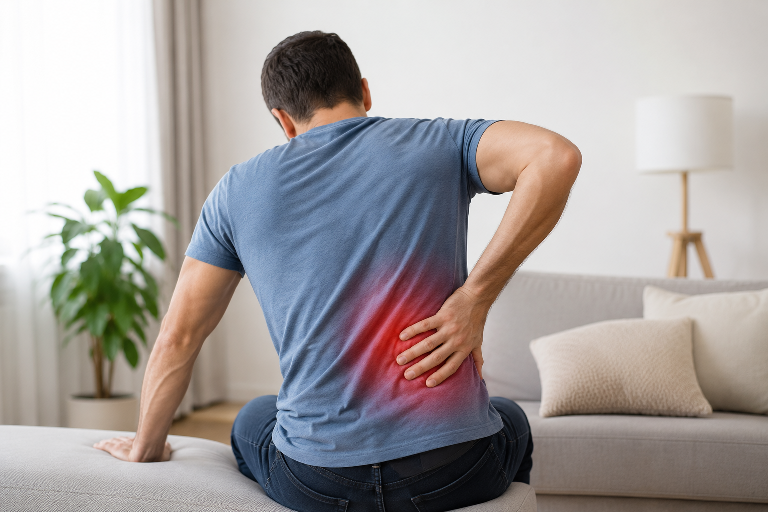
Low Back Pain Myths: What Research Says About Physical Therapy
Low back pain is one of the most common reasons people visit a doctor, miss work, or limit daily activities. It can feel scary, especially when pain affects walking, sitting, bending, sleeping, or exercising. Many people worry that back pain means something is “seriously wrong,” but research shows that most low back pain improves with the right guidance, education, and movement.
Unfortunately, many common beliefs about back pain can actually delay recovery. At Comprehensive Orthopedic Physical Therapy, we help patients understand what their pain means, what it does not mean, and how physical therapy can support safe, confident movement.
Myth 1: “If my back hurts, I should rest until it goes away.”
Research says: Too much bed rest can slow recovery. Staying gently active is usually better.
When your back hurts, it is natural to want to avoid movement. However, clinical guidelines consistently recommend staying active and returning to normal activities as tolerated. This does not mean pushing through severe pain. It means avoiding long periods of bed rest and using safe, guided movement to help your body recover.
Physical therapy can help you learn which movements are safe, how to modify activities, and how to gradually rebuild strength and mobility.
Myth 2: “I need an MRI or X-ray to know what is wrong.”
Research says: Imaging is not always needed in the first few weeks unless there are red flags.
Many people think an MRI or X-ray will explain exactly why they have back pain. But research shows that imaging findings such as disc bulges, arthritis, or degeneration can appear even in people who have no pain. This means the scan does not always tell the full story.
Imaging may be important when symptoms suggest a more serious condition, such as major trauma, unexplained weight loss, fever, cancer history, progressive weakness, or loss of bowel or bladder control. But for many cases of low back pain, physical therapy evaluation and conservative care are appropriate first steps.
Myth 3: “Back pain means my spine is damaged.”
Research says: Pain does not always mean damage.
Pain is a warning signal, but it is not always a direct measurement of tissue damage. Low back pain can be influenced by muscle stiffness, weakness, poor movement patterns, stress, sleep, posture habits, and activity level.
This is why two people with similar MRI findings may feel very different symptoms. One person may have severe pain, while another may have no pain at all. A physical therapist looks beyond the scan and evaluates how you move, where your symptoms occur, what activities trigger pain, and what helps relieve it.
Myth 4: “Exercise will make my back pain worse.”
Research says: The right exercise is one of the most recommended treatments for low back pain.
Exercise should be specific, gradual, and matched to your condition. Physical therapy may include mobility exercises, core strengthening, hip strengthening, posture education, balance training, manual therapy, and functional movement training.
The goal is not just to reduce pain. The goal is to help you return to daily activities with more confidence, better strength, and less fear of movement.
Myth 5: “Good posture means sitting perfectly straight all day.”
Research says: Your best posture is often your next posture.
Sitting perfectly straight for hours can still cause discomfort. The body likes movement and position changes. For many people, back pain improves when they learn how to change positions, take movement breaks, strengthen supporting muscles, and set up their workstation in a way that reduces strain.
Physical therapy can help you find realistic posture strategies instead of forcing one “perfect” position.
Myth 6: “If I have chronic back pain, I just have to live with it.”
Research says: Chronic low back pain can often improve with an active, personalized plan.
When pain lasts for months, it can affect confidence, mood, sleep, and activity level. But chronic pain does not mean recovery is impossible. Research supports education, exercise, and self-management strategies as important parts of chronic low back pain care.
A physical therapist can help identify contributing factors, build a progressive plan, reduce fear of movement, and improve your ability to function.
Myth 7: “Physical therapy is only exercises.”
Research says: Physical therapy is more than a list of exercises.
A complete physical therapy plan may include:
- Pain and movement assessment
- Education about symptoms and safe activity
- Hands-on treatment when appropriate
- Strengthening and mobility exercises
- Posture and body mechanics training
- Gait, balance, and functional training
- Home exercise instruction
- Return-to-work or return-to-sport guidance
The best treatment plan is individualized. What works for one person may not be the best approach for another.
When Should You Seek Help?
You should consider physical therapy if your low back pain:
- Lasts more than a few days and is limiting your activities
- Keeps returning
- Travels into the hip, buttock, or leg
- Makes sitting, standing, walking, or bending difficult
- Causes you to avoid normal movement
- Interferes with sleep, work, or exercise
Seek urgent medical attention if you have loss of bowel or bladder control, progressive leg weakness, numbness in the groin/saddle area, fever, unexplained weight loss, major trauma, or a history of cancer with new back pain.
How Physical Therapy Can Help
Physical therapy focuses on helping you move better, understand your pain, and return to the activities that matter to you. For low back pain, the goal is not only short-term relief but also long-term prevention.
At Comprehensive Orthopedic Physical Therapy, our team provides individualized care for low back pain, sciatica-like symptoms, stiffness, weakness, and movement limitations. We work with you to create a plan that supports safe recovery and helps you feel more confident in your daily life.
Takeaway
Low back pain is common, but many myths make it feel more frightening than it needs to be. Research supports staying active, avoiding unnecessary bed rest, using imaging only when appropriate, and choosing conservative care such as physical therapy as an important first step.
If low back pain is limiting your life, physical therapy can help you understand your symptoms, improve movement, and get back to doing what you love.
References
- American College of Physicians. Clinical practice guideline for noninvasive treatments for acute, subacute, and chronic low back pain. Annals of Internal Medicine, 2017.
- The Lancet Low Back Pain Series. Low back pain: a call for action and evidence-based care, 2018.
- Choosing Wisely / American Medical Society for Sports Medicine. Imaging recommendations for low back pain.
- World Health Organization. Guideline for non-surgical management of chronic primary low back pain in adults, 2023.
- Zhou T, et al. Recent clinical practice guidelines for the management of low back pain, 2024.